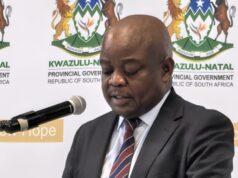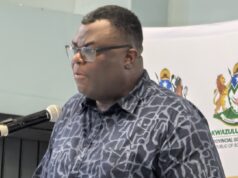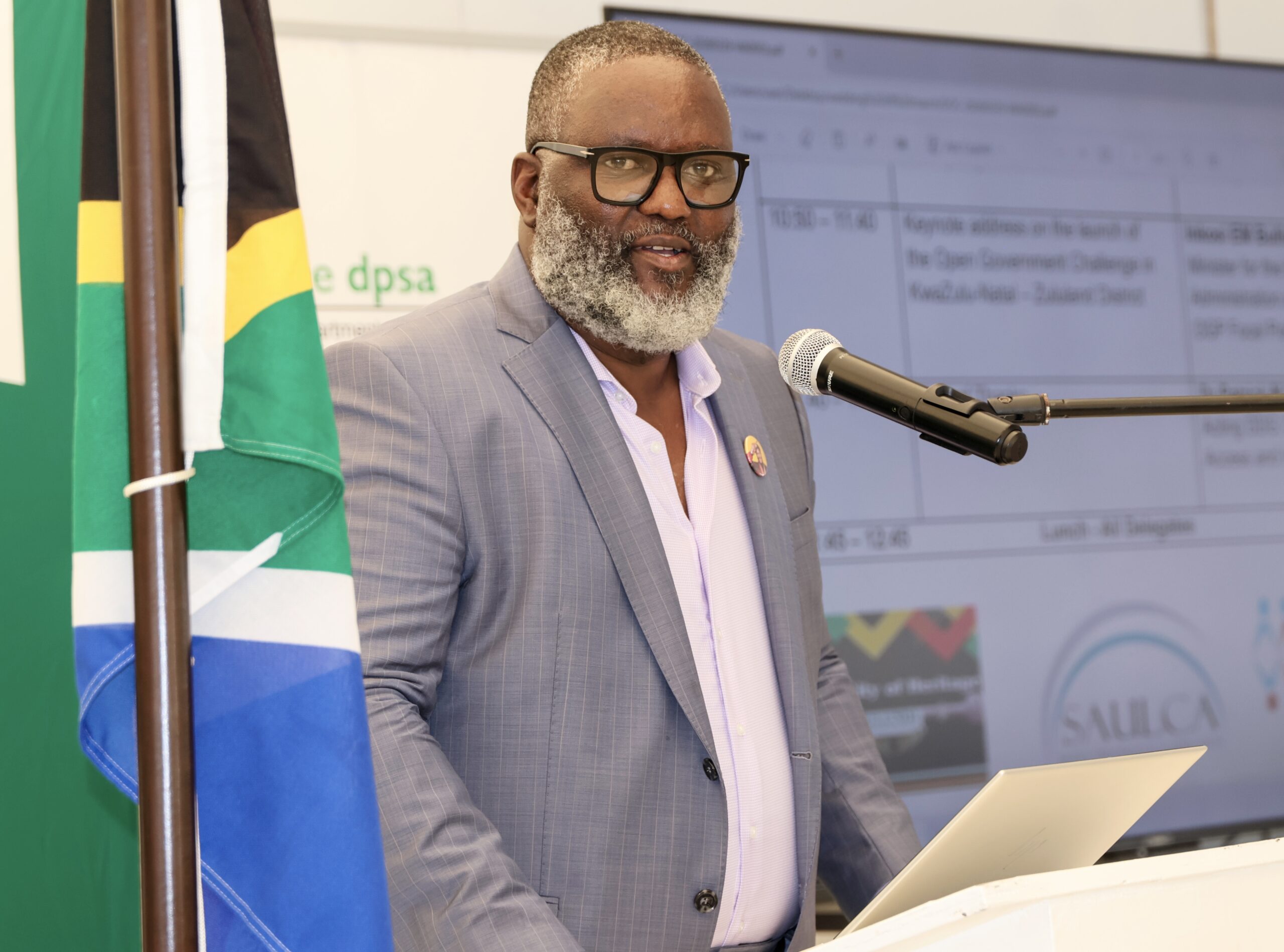
ULUNDI – Public Service and Administration Minister, Inkosi Mzamo Buthelezi, has urged legal institutions and law clinics to play a more active role by taking legal services directly to communities, ensuring that ordinary citizens can assert their rights and hold government accountable.
Delivering the keynote address at the launch of the Open Government Challenge on Access to Justice in Ulundi on Tuesday, Minister Buthelezi acknowledged that government and leaders alike have fallen short in addressing persistent injustices faced by marginalised groups. He stressed that the initiative must go beyond policy and reporting, becoming a “living instrument” that transforms the daily realities of people in rural communities.
South Africa’s participation in the Open Government Challenge stems from its commitment to the Open Government Partnership, which promotes transparency, accountability, and public participation. Buthelezi highlighted that despite these commitments, access to justice remains a significant challenge, particularly for women, children, and people living with disabilities.
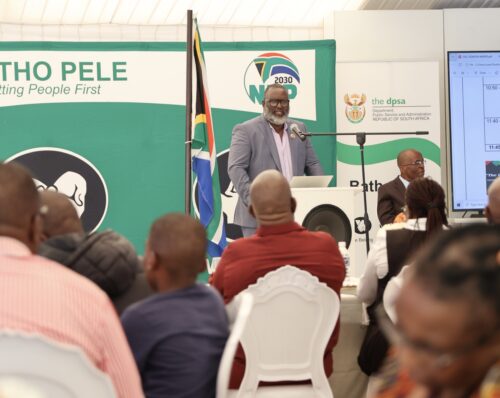
The initiative is being implemented through a multi-stakeholder collaboration involving the Department of Public Service and Administration, Legal Aid South Africa, the South African Universities Law Clinics Association, and local government partners such as the Ulundi Local Municipality. Minister Buthelezi expressed appreciation for these partnerships, noting that collective action between government, academia, and civil society is essential to expanding access to justice and ensuring meaningful impact on the ground.
He emphasised that justice must be understood beyond courts and legal systems, framing it instead as dignity in everyday life. “Justice must mean that a grandmother can access her grant without corruption, and that a young graduate can secure employment based on merit,” he said.
He called on leaders to approach their roles not merely as administrative duties, but as a process of “healing, repair and restitution.”
Minister Buthelezi also directed strong criticism at local government failures, noting that injustice often manifests in municipal offices through corruption, nepotism, and poor service delivery. He warned that when services such as water, housing, and sanitation are withheld due to political or personal interests, it constitutes “gross injustice” rather than simple inefficiency.
Calling for accountability, he argued that public officials who fail in their duties should face serious consequences, including being barred from holding office.