Pretoria – Building a professional public service depends not only on systems, policies and skills, but also on how institutions develop, support and treat the people entrusted with serving citizens.
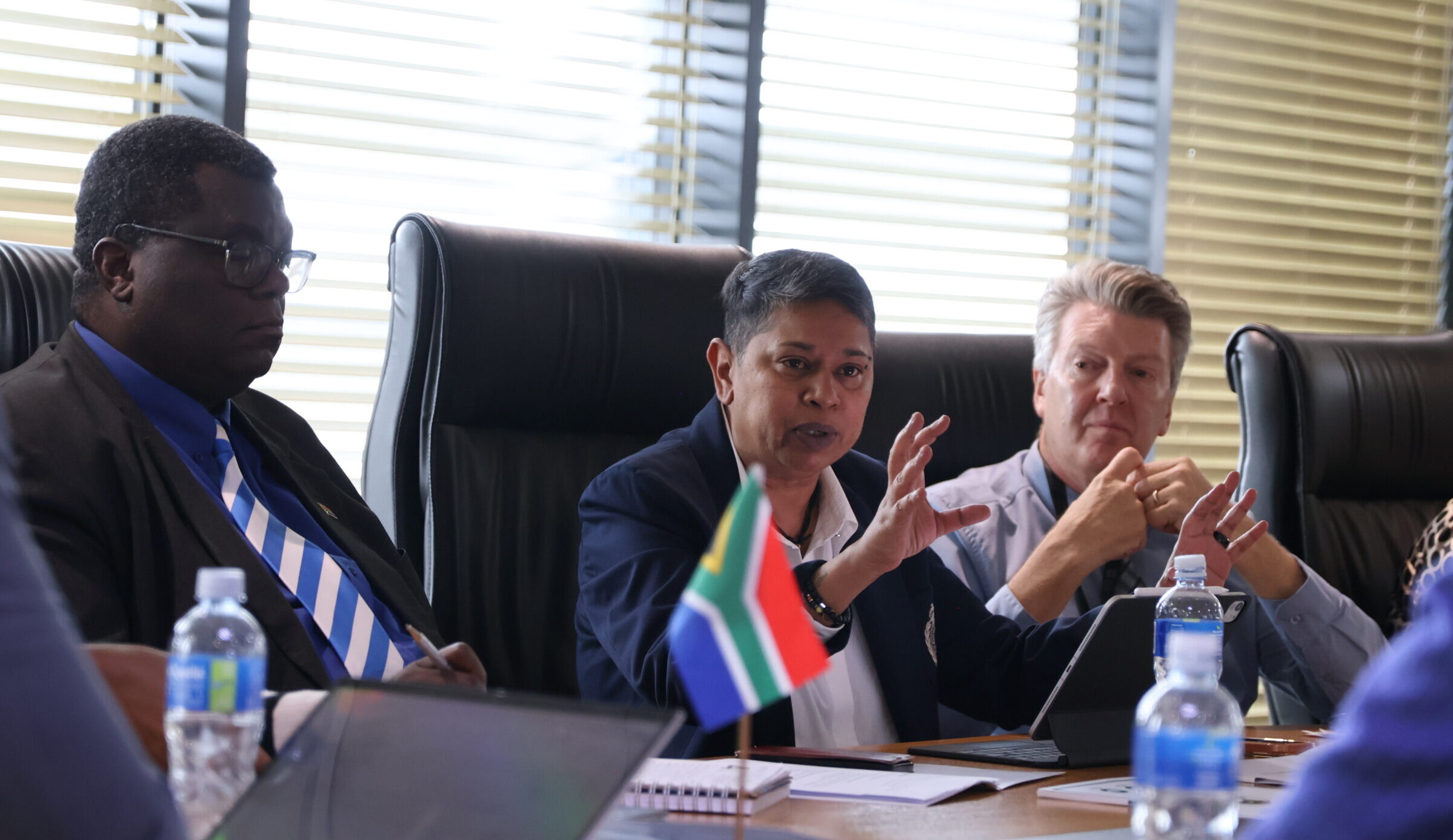
This message was at the heart of the official opening address delivered by Dr. Anusha Naidoo, Acting Deputy Director-General: Human Resource Management and Development at the Department of Public Service and Administration (DPSA), during the 26th Annual Employee Assistance Professionals Association of South Africa (EAPA-SA) Eduweek Conference. The conference took place from 14–17 September 2026 at Emperors Palace in Kempton Park. Dr Naidoo delivered the opening address on 15 September 2026 under the theme, “The Kinship Code for Collective Wellness: Ubuntu for Collective Wellness.”
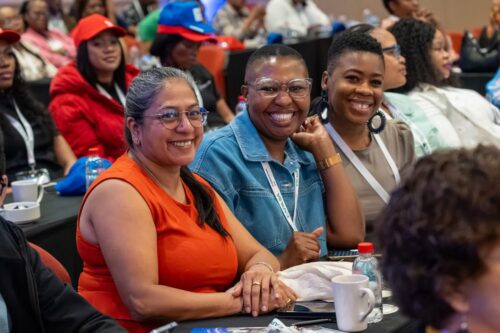
The gathering brought together Employee Assistance, wellness, human resources and organisational development professionals from the public and private sectors to reflect on employee wellbeing, professional practice and the creation of healthier workplaces.
In her address, Dr Naidoo encouraged delegates to consider the human being within the workplace, reminding them that behind every policy, performance indicator and service delivery target is a person carrying family responsibilities, pressures, ambitions, hopes and the desire to perform meaningful work.
“Someone’s courage to try again may begin with the way you speak to them today. A young official may find belonging through an opportunity. A colleague carrying an unseen burden may find strength because somebody noticed,” she said.
At the centre of her message was a deeply personal question: “What do people experience when they experience me?” This question challenges public servants, managers and leaders to consider how their daily conduct affects the dignity, confidence and development of those around them. It positions Ubuntu not merely as an ideal, but as something expressed through everyday actions and interactions.
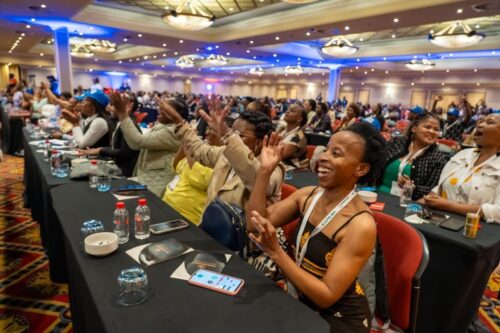
In workplaces characterised by demanding responsibilities, constrained resources and intense public scrutiny, the role of Employee Assistance and wellness professionals remains critical. These professionals are often able to recognise the exhaustion behind silence, the distress behind declining performance and the person behind the employee number.
Dr Naidoo highlighted that Ubuntu can be demonstrated through ordinary but meaningful actions, such as allowing someone to finish speaking, correcting an error with care, sharing knowledge, offering an opportunity and noticing when a colleague has become unusually quiet.
It also means creating workplaces where employees feel safe enough to say, “I am struggling,” and where appropriate support can be provided before challenges become crises.
The address further explored the relationship between Ubuntu and the professionalisation of the public service. Professionalisation requires competence, ethics, accountability and continuous learning, but these qualities must be accompanied by humanity. Citizens experience the State through the conduct of public servants: through someone answering a telephone, explaining a process, responding to a concern or making a decision. Ubuntu becomes practical when public servants listen carefully, exercise authority fairly and uphold the dignity of every person seeking assistance.
The message is particularly relevant during Public Service Month, observed under the theme, “Professionalising the Public Service to Build Trust and Restore Confidence in Government.”
Restoring public trust requires institutions that are capable, ethical and responsive. It also requires public servants who recognise the effect their conduct has on colleagues and citizens. A professional public service must therefore combine technical ability with empathy, conscience and ethical leadership.
Dr Naidoo also reflected on the younger generation entering workplaces shaped by rapid technological advancement. These young employees seek purpose, expect speed and want their voices to matter. Their development will influence the future of South Africa’s institutions.
Experienced public servants play an important role in this development. Younger officials observe how authority is exercised, how disagreements are handled, how knowledge is shared and how people with less power are treated.
At the same time, knowledge and growth can move in both directions as generations learn from one another. While technology continues to transform the workplace, human beings remain responsible for judgement, fairness, trust and belonging.
“Our conduct shapes the workplaces and institutions future generations will inherit. We must build environments where dignity is visible, people have room to grow, and leadership rests on competence and conscience,” Dr Naidoo said.
Her address called on public servants to make Ubuntu visible in how they live, lead, and serve. It is through these daily choices that workplaces become healthier, employees feel supported, and citizens experience the dignity and care promised by Batho Pele.
“Umuntu ngumuntu ngabantu. I am because we are.”
This is the kinship code: the foundation of collective wellness and the professional public service South Africa must continue to build.