In a powerful demonstration of government-led community action, the DPSA and MTN’s Y’ello Care programme unite to deliver free health screenings and clinic upgrades to over 70,000 Zandspruit residents.
“When government shows up — truly shows up — communities are transformed. Today was not just about screenings; it was about dignity, care, and the promise of a state that serves.”
— Deputy Minister Ms Pinky Kekana, DPSA
ZANDSPRUIT, JOHANNESBURG, 01 June 2026 — On a crisp Monday morning in one of Johannesburg’s most densely populated informal settlements, something remarkable unfolded. Rows of health professionals, government officials, and corporate volunteers worked side by side, stethoscopes, clipboards, and smiles in hand — delivering a lifeline of free healthcare services to thousands of Zandspruit residents who needed it most.
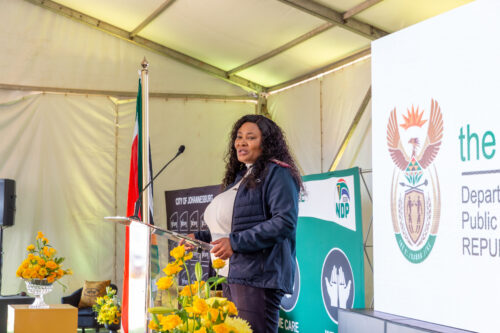
At the centre of it all stood Deputy Minister of Public Service and Administration, Ms Pinky Kekana, whose presence signalled something beyond a routine official visit. This was the DPSA walking its talk — bringing the promise of an accountable, caring public service directly to the people it exists to serve.

A Day of Free Healthcare for 70,000+ Residents
The Zandspruit health screening campaign, held on 1st of June 2026, formed part of MTN’s annual 21 Days Y’ello Care programme; a nationwide corporate social responsibility initiative now amplified by a formal partnership with the DPSA, the City of Johannesburg, and a coalition of leading health organisations.
Residents — including elderly community members, young mothers, and people living with disabilities — received free screenings across a comprehensive range of health indicators:
Cholesterol checks
HIV testing
Blood glucose (HGT) tests
Body Mass Index (BMI) assessments
Blood pressure monitoring
Weight and height measurements
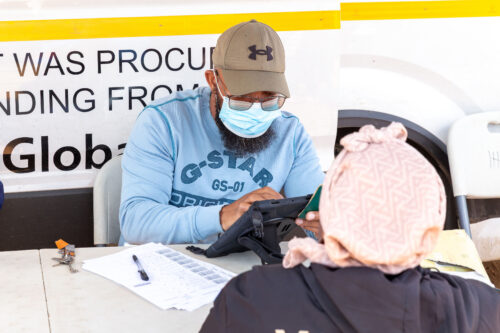
The services were delivered by City of Johannesburg Health, the Government Employees Medical Scheme (GEMS), Metropolitan Health, the Gauteng Department of Health, and Wits University’s specialist TB screening unit, a who’s-who of South Africa’s healthcare ecosystem, united for a single purpose.
DPSA Holds Clinic to Account — and Commits to Improvement
The day was not only about screenings. True to the DPSA’s oversight mandate, Deputy Minister Kekana led a formal compliance assessment of the Zandspruit Clinic — evaluating its adherence to government norms and standards for public health facilities.
The clinic, which serves a community of more than 70,000 people, faces the twin pressures of high patient volumes and ageing infrastructure — challenges familiar to many clinics in South Africa’s urban informal settlements. The assessment findings will inform targeted interventions to bring the facility up to the standards every South African deserves.
It is a model of accountability that speaks directly to the DPSA’s core mission: not just setting standards, but ensuring they are met — especially for communities that have historically been underserved.
MTN’s 21-Day Commitment: Refurbishment, Digital Support, and NHI Readiness
This event was only the beginning. Over the next 21 days — running until 21 June 2026 — MTN employees and partners will roll up their sleeves and get to work transforming the Zandspruit Clinic from the inside out. Planned improvements include:
Repainting and general refurbishment of the facility
Upgrading reception and waiting areas for improved patient experience
Marking and organising parking bays for better crowd flow
Infrastructure donations to address critical resource gaps
Digital data solutions to support National Health Insurance (NHI) registration
Volunteer support for data capturing, filing, and crowd management


The NHI digital integration component is particularly significant — positioning Zandspruit Clinic as a forward-looking facility ready for South Africa’s healthcare transformation agenda.
The Power of Partnership: When Government and Private Sector Unite
What made Zandspruit exceptional was not any single organisation, but the sum of all of them working in concert. The DPSA provided oversight and strategic direction. MTN mobilised its workforce and resources. The City of Johannesburg and provincial health departments delivered clinical expertise. Civil society ensured no resident was left behind.
This public-private partnership model — where government accountability anchors private sector innovation — offers a replicable blueprint for community health interventions across South Africa. Similar health and education campaigns are planned across multiple regions as part of the broader Y’ello Care programme, with MTN employees volunteering their time and skills throughout.
A Service-First Vision for South Africa’s Communities
Campaigns like Zandspruit are about more than healthcare metrics. They are about dignity — the lived experience of a state that sees you, reaches you, and acts on your behalf. For Deputy Minister Kekana and the DPSA, the day in Zandspruit was a reminder that public service, at its best, is not bureaucracy. It is presence. It is care. It is showing up.
As South Africa continues to grapple with the healthcare access gap — particularly in informal settlements and underserved urban communities — the Zandspruit model offers both hope and a practical path forward: government oversight, corporate partnership, community trust, and the unwavering commitment of public servants who believe that every citizen deserves nothing less than the best.