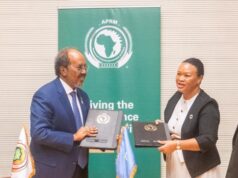
South Africa has concluded its participation in the 44th Annual Roundtable Conference of the African Association for Public Administration and Management (AAPAM), held in the Kingdom of Eswatini recently.
A total of 584 delegates from 29 countries attended the conference. South Africa was represented by a delegation of 23 officials led by the Acting Director-General of the DPSA, Mr Willie Vukela, who also serves as the AAPAM Vice President for southern Africa. The team joined peers from across the continent for four days of focused discussions and knowledge exchange.
The conference took place at the Esibayeni Lodge in Matsapha, Manzini, Eswatini, from 2 to 5 December 2025 under the theme “Agile Public Administration: Partnership and Digital Transformation for Citizen-Centric Service Delivery.”
Delegates examined practical ways for African governments to use digital tools and build partnerships to respond to current governance challenges. Discussions also covered strategies for strengthening administrative systems and promoting responsive public service cultures.
South Africa’s participation, guided by Acting DG Willie Vukela, reflected on the government’s commitment to professionalising the public service and advancing modern approaches to improve service delivery.
The 44th AAPAM Roundtable Conference set forth a series of robust recommendations aimed at enhancing agile, citizen-centered public administration across Africa. These proposals are rooted in a commitment to improving leadership quality, fostering capable institutions, and harnessing digital transformation to elevate governance standards.
The conference emphasized the importance of an agile leadership and shifting organizational mindsets. Delegates urged governments to strengthen leadership development frameworks that champion ethical behavior, adaptive decision-making, and a focus on reform-oriented management. They highlighted the necessity for leaders who not only drive innovation but also sustain long-term organizational change, recognizing that effective leadership is important to achieving these goals.
Moreover, participants highlighted the critical need for building capable and future-ready institutions. Stronger institutional capacities, enhanced by clear legislation and effective accountability systems, were deemed necessary. Investment in public servants was identified as a foundational element for delivering quality services and institutional resilience. The call for integrated governance approaches resonated throughout the discussions, as delegates viewed these strategies as key for improving service delivery overall.
In addition to these institutional reforms, the conference highlighted the importance of promoting citizen-centered and inclusive governance. Delegates advocated for expanding mechanisms that empower citizens in the development, implementation, and monitoring of policies. Special attention was called to the inclusion of women, youth, and marginalized groups, with transparency and responsiveness identified as key factors in bolstering public trust and engagement.
The discourse on digital transformation was equally vibrant. African governments were encouraged to invest in robust digital infrastructure and enhance digital literacy while scaling up e-government initiatives. Such endeavors should directly cater to the needs of citizens, align with national development priorities, and embrace emerging principles for responsible AI governance, thereby ensuring that technology serves the public good.
Additionally, the conference stressed the necessity of strengthening partnerships for sustainable development. Participants acknowledged the value of collaborating with the private sector, civil society, academia, and development partners. Such partnerships are essential for co-designing solutions, fostering regional integration, and sharing knowledge in line with Agenda 2063 and the Sustainable Development Goals.
Economic governance and fiscal sustainability were other focal points of discussion. Delegates recommended enhancing domestic resource mobilization, improving public financial management, and exploring innovative financing models like public-private partnerships, green bonds, and digital tax systems. These strategies were seen as crucial for achieving sustained economic growth.
The conference also spotlighted the importance of harnessing the demographic dividend through youth empowerment. It was highlighted that programs focusing on building skills, encouraging innovation, and promoting entrepreneurship among young people are vital. Their greater involvement in governance and public administration is essential for ensuring institutional renewal and making effective contributions to the public sector.
Lastly, participants called for the integration of wellness and mental health into public sector reform. Emphasizing the need to embed mental health considerations into organizational policies and leadership practices, they argued that expanding psychosocial support and workplace well-being initiatives would lead to a healthier, more effective public service.
Through these comprehensive discussions and recommendations, the conference laid a visionary pathway toward a more resilient and responsive public administration framework in Africa.
A key moment of the conference was the presentation of the Innovative Management Awards (IMA). Prof Pregala Solosh of Stellenbosch University received the AAPAM Presidential Award as the Outstanding Public Servant and was named the 2025 AAPAM Excellence Award Recipient.
South Africa earned two awards at this year’s ceremony. ICU Telemedicine – George Regional Hospital was recognised in the IMA Runner-Up and Special Mention category, adding to the country’s achievements at the event.
As the conference concluded, preparations are already underway for the 45th AAPAM Roundtable Conference, which will take place in Maseru, Kingdom of Lesotho.
The gathering will continue to build on the momentum of regional cooperation and shared learning.