At the DPSA’s International Anti-Corruption Day event on 9 December 2025 in Sandton, new data on public sector ethics offered a sobering insight: although signs of improvement are emerging, many longstanding ethical issues continue to affect South Africa’s government institutions.
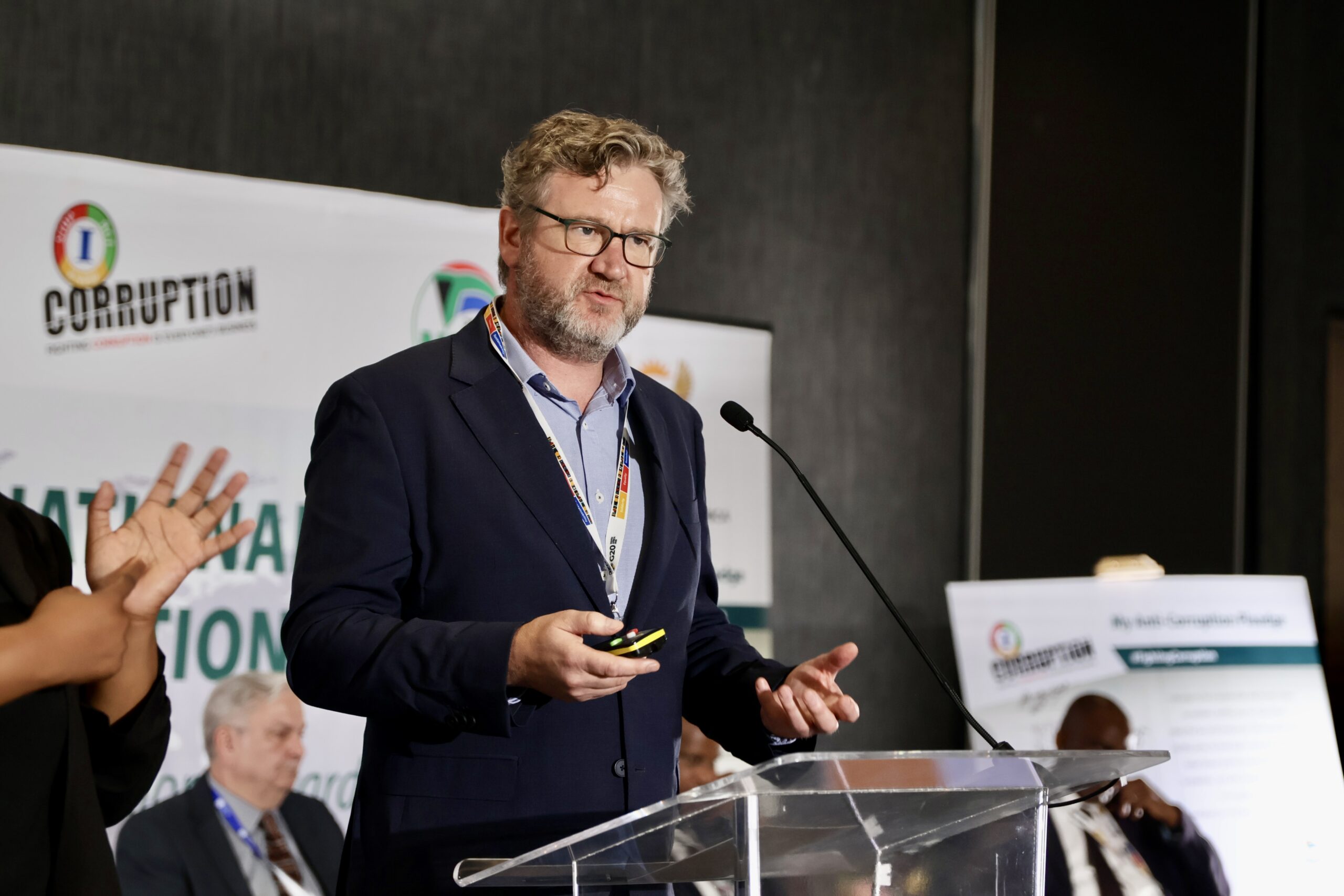
Presented by Kris Dobie, Senior Manager for Organisational Ethics at The Ethics Institute South Africa, the survey draws on responses from more than 7,100 public servants collected between September and October last year and remains the most comprehensive indicator of ethical culture in the public sector.
Mr Dobie described it as a vital mirror that reflects both how far the public service has come and the areas where it remains stubbornly stuck. One of the clearest signs of improvement is the gradual rise in ethics awareness. Most public servants now know their organisation’s code of conduct, and many understand the rules governing gifts and private work. Awareness around lifestyle audit policies has grown significantly, especially since 2022. A striking 89% of respondents said they would willingly undergo a lifestyle audit themselves, an indication that public servants are becoming more supportive of transparency measures intended to curb corruption.
Yet, even as awareness improves, the survey shows that confidence in internal reporting systems remains fractured. Only 47% of respondents are aware of their organisation’s ethics hotline, and a similar proportion are aware of an ethics officer, despite years of encouragement for departments to appoint and empower these roles. Mr Dobie noted that this gap has real consequences, particularly when coupled with the findings on whistleblowing. More than half of public servants reported witnessing misconduct in their departments, but fewer than half of them reported it. The reasons are sobering; most feared that nothing would be done, many worried about retaliation, and others lacked trust in the confidentiality of reporting mechanisms. A significant portion also feared for their safety or their jobs. The result is a silent public service where wrongdoing is recognised but too often goes unchallenged.
Beyond reporting behaviour, the survey also highlights deeper cultural issues that shape how public servants experience their workplaces. Many respondents expressed that they do not feel appreciated or treated fairly. Others believe decisions affecting staff are not made transparently. The fear of speaking up about ethical concerns persists in workplaces, creating environments where employees are discouraged from questioning their superiors or voicing concerns. Mr Dobie observed that these sentiments have barely shifted since the first survey in 2015 — suggesting that cultural transformation, while underway, remains a slow process.
Interestingly, the survey also shows a strong correlation between ethical culture and audit outcomes. Organisations that achieve clean audits consistently report lower levels of unethical behaviour, stronger accountability, and a greater sense of fairness and professionalism. By contrast, institutions with qualified or disclaimer audits tend to struggle with politicisation, inconsistent discipline, a lack of professionalism, and
higher levels of misconduct. The link between ethics and service delivery becomes unmistakable; where strong ethical cultures exist, performance appears to follow.
When respondents were asked how the public sector could improve its ethical culture, accountability emerged as the dominant plea. Public servants want to see consequences for unethical behaviour applied consistently and without favour. Many expressed frustrations with nepotism, political interference and the appointment of unqualified individuals — issues they say undermine morale and weaken the integrity of public institutions. Others called for stronger ethical leadership, more regular ethics training, and robust protection for whistleblowers.
Mr Dobie emphasised that despite the challenges, the survey offers reasons for optimism. Ethical culture scores have improved slowly over the years, and public servants continue to demonstrate a clear desire to work in accountable, fair and transparent environments. Many believe they can personally contribute to building a stronger ethical culture and want to be part of meaningful change.
But turning that intention into reality, Mr Dobie suggested, will require two fundamental shifts: a renewed focus on professionalising the public sector, and a serious commitment to elevating ethics as a strategic priority — not merely a compliance task. Leadership, he argued, will determine whether the public sector advances or regresses. Ethical leadership, competent appointments, and a functioning accountability system are the cornerstones of sustainable progress.
The survey does more than report on ethics — it captures the hopes and frustrations of thousands of public servants who want their workplaces, and their country, to function with integrity. The message is unmistakable: South Africa’s public servants are ready to uphold ethical governance. What they need now is a system that protects, supports and rewards their commitment to doing what is right.