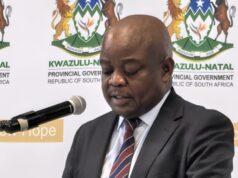
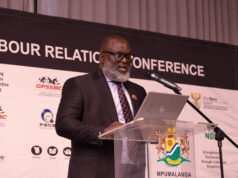
Durban – The African Peer Review Mechanism (APRM) has concluded the 2027 Africa Governance Report (AGR27) consultations in Durban.
The approved theme for the 2027 AGR is “Youth in Governance: From Promise to Prosperity.” The theme positions Africa’s youth, alongside its vast natural resources, as the continent’s most underutilised asset in realising its aspirations. This fifth edition of the report aims to examine the human capital development requirements needed to harness the youth dividend, with the AGR27 envisioned to put forward recommendations that position Africa’s youth as assets rather than liabilities.
The consultation session aimed to objectively assess the challenges and successes of youth in governance, with a particular focus on South Africa. Similar sessions will also be held in a few selected countries representing all five regions of the continent. The two-day discussion covered the APRM review process in South Africa, including the country’s review journey, governance structures, and arrangements for implementing the AGR 2027. The sessions also introduced the AGR 2027, its purpose, thematic focus, expected outputs, and implementation process, and addressed the institutional assessment framework and the criteria for identifying institutions to participate in national consultations.
Participants were familiarised with the AGR 2027 analytical framework and qualitative data collection methodology. The consultation session concluded with a plenary session to validate the institutional consultation approach, confirm implementation arrangements, and agree on the way forward for the AGR 2027 in-country institutional consultations.
Keynote speaker and former KZN Premier and Cabinet Minister, Ambassador Sbu Ndebele, who also serves on the APRM Panel Member of Eminent Persons, said the consultations “mark a critical moment in the realisation of our aspirations set out in the African Union’s (AU) Agenda 2063.”
He further remarked that “the youth must be the key drivers of development in Africa.” According to the AU, Africa has the youngest population in the world, with more than 400 million young people aged between 15 and 35.
Amb. Ndebele commended the work of the APRM for its ability to offer “diagnostic and accountability frameworks, encouraging peer learning and introspection.” He also called for greater collaboration between the APRM and the Open Government Partnership (OGP). The APRM is an African Union tool for sharing experiences, reinforcing best practices, identifying deficiencies, and assessing capacity-building needs to foster sound policies, while the OGP is a coalition of reformers inside and outside government working to transform how government serves its citizens”.
“APRM tells us where to improve; OGP tells us how to improve,” said Amb. Ndebele.
Acting Deputy Director-General for Government Service Access Improvement (GSAI), Dr Patrick Sokhela, said the input provided by youth and other stakeholders “will assist the Continental Secretariat technical team to consolidate the necessary input needed to compile a report that is truly reflective of the state of affairs in South Africa.”
“With the support of a member of the Panel of Eminent Persons, this demonstrates the seriousness with which South Africa is approaching this event, in terms of contributing to the development of a report the African Union will adopt in January 2027,” said Dr Sokhela.