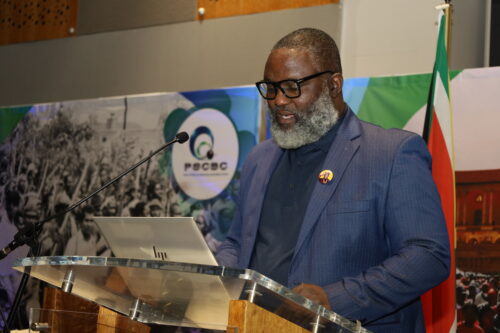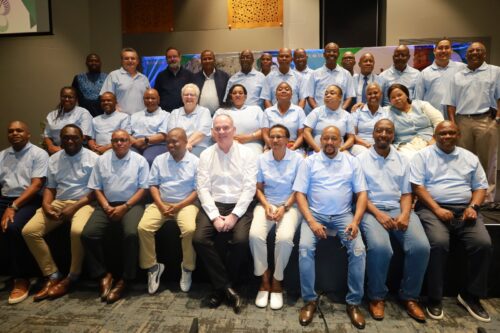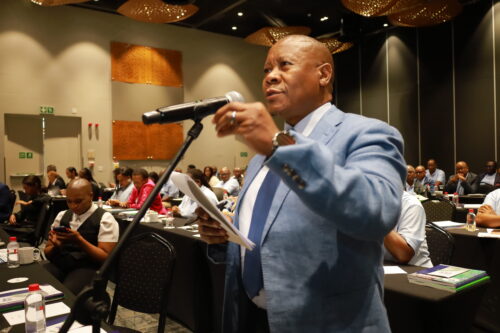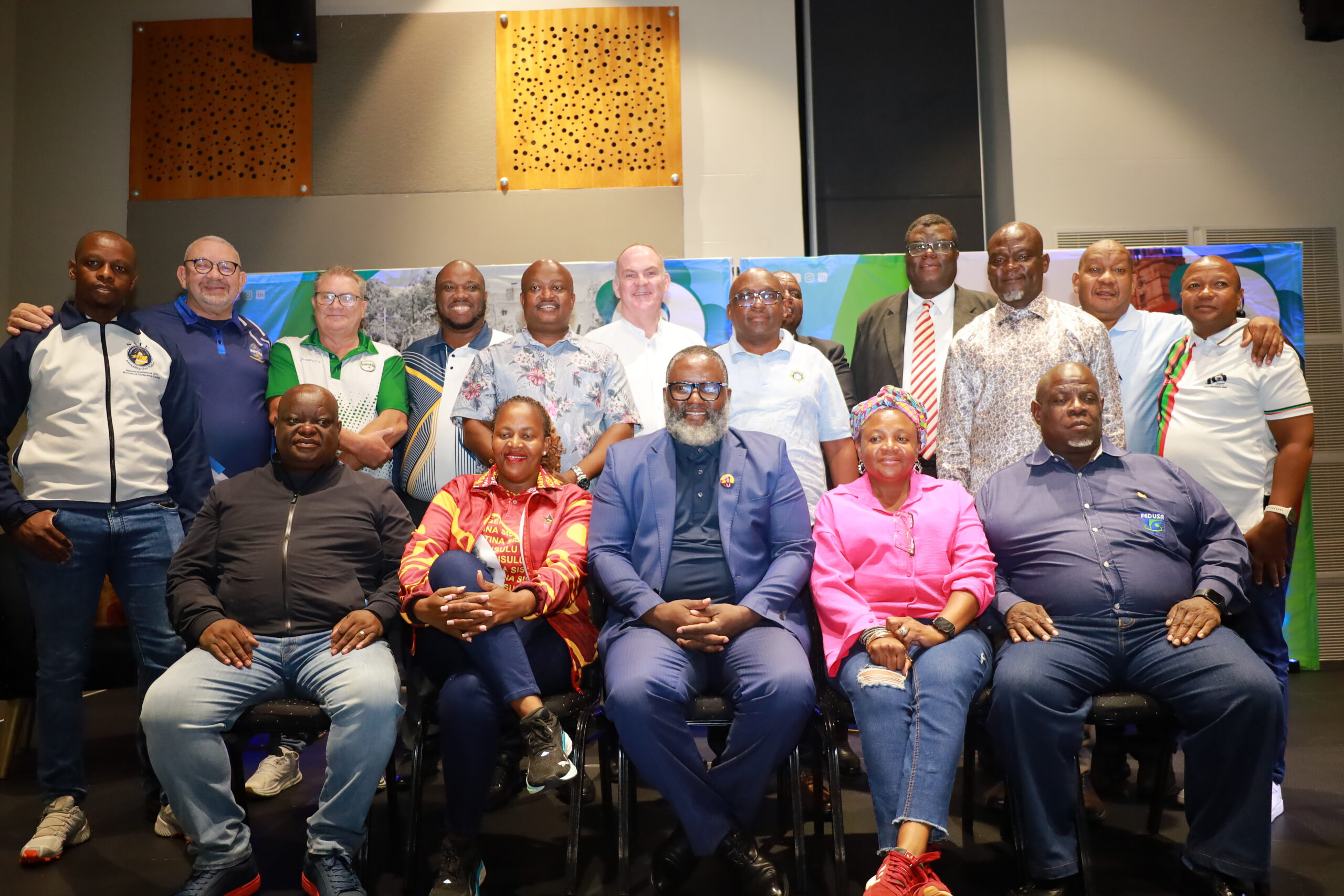
The Public Service Coordinating Bargaining Council (PSCBC) concluded its three-day Strategic Planning Session (3-5 March 2026) in Kempton Park, Johannesburg, with a renewed commitment to strengthening collective bargaining and enhancing collaboration in response to the rapidly evolving digital environment.
Delivering the keynote address, the Minister for the Public Service and Administration, Inkosi Mzamo Buthelezi, reaffirmed the government’s firm commitment to collective bargaining and constructive engagement with organised labour.
The session brought together leaders of trade unions, representatives from government and organised labour, sector bargaining councils, and other key stakeholders to reflect on the future of labour relations and the transformation of the public service.
Strengthening Collective Bargaining and Service Delivery
Minister Inkosi Buthelezi informed delegates that the Department of Public Service and Administration (DPSA) has approved a Strategic Plan outlining key interventions to support government in strengthening collective bargaining processes and deepening relationships with organised labour.
He emphasised that these interventions aim to ensure that conditions of service for public servants create an enabling environment for increased productivity and improved service delivery.
Commending the PSCBC for its critical role in advancing labour relations, the Minister said:
“Your work in advancing labour relations in the public service is a cornerstone of a functioning democracy. It is through your dedication, social dialogue, and commitment that the rights of employees are protected, and the obligations of the public service are fulfilled.”
He further highlighted that while the public service must adapt to new tools and technologies, its foundational values must remain intact.
“Our task over the three days ensured that while our tools change, our core values, including trust, fairness, and the dignity of the public servant, remain unshakeable.”
The Minister stressed that the government’s commitment to the PSCBC as an institution remains paramount. However, he cautioned that protecting collective bargaining does not mean preserving it unchanged.
“Protecting collective bargaining does not mean keeping it static. It means evolving our processes so they can withstand the pressures of a modern economy and a digitally enabled workforce.”
Re-anchoring GEMS to Its Founding Mandate
Addressing concerns surrounding the Government Employees Medical Scheme (GEMS), Minister Inkosi Buthelezi urged delegates to intensify efforts to identify sustainable solutions.
“ As an employer, we need an agile and healthy public service, and GEMS was established to assist the government in delivering exactly that. We need to find ways and means of ensuring that GEMS provide equitable, affordable and comprehensive healthcare coverage to public service employees.”
The Minister emphasised that addressing the challenges facing GEMS requires a collective effort by both government and organised labour to ensure the scheme reverts to its original mandate.
Strategic Focus Areas and Implementation
The Strategic Planning Session also deliberated on critical issues shaping the future of the public service, including professionalisation, the future of work, technology, and digital transformation.
In supporting remarks during the session, DPSA Acting Director-General Mr Willie Vukela called on organised labour and employer representatives to reflect deeply on strategies and interventions necessary to build a capable public service and administration.
He emphasised the importance of high-level engagement on emerging technologies, noting both the opportunities they present and the risks and security considerations that must be addressed.
Mr Vukela further urged that the outcomes of the Strategic Session be concretised and presented to the government, as a social partner, for further engagement.
He concluded by stressing the importance of implementation: “We must all be preoccupied with the implementation of all our initiatives to improve the lives of the citizens.”
A Renewed Commitment
The session concluded with a shared resolve among stakeholders to modernise collective bargaining frameworks, responsibly embrace digital transformation, and strengthen cooperation between government and organised labour in building a capable, ethical and responsive public service.