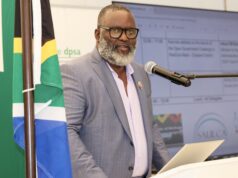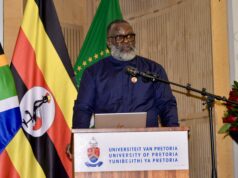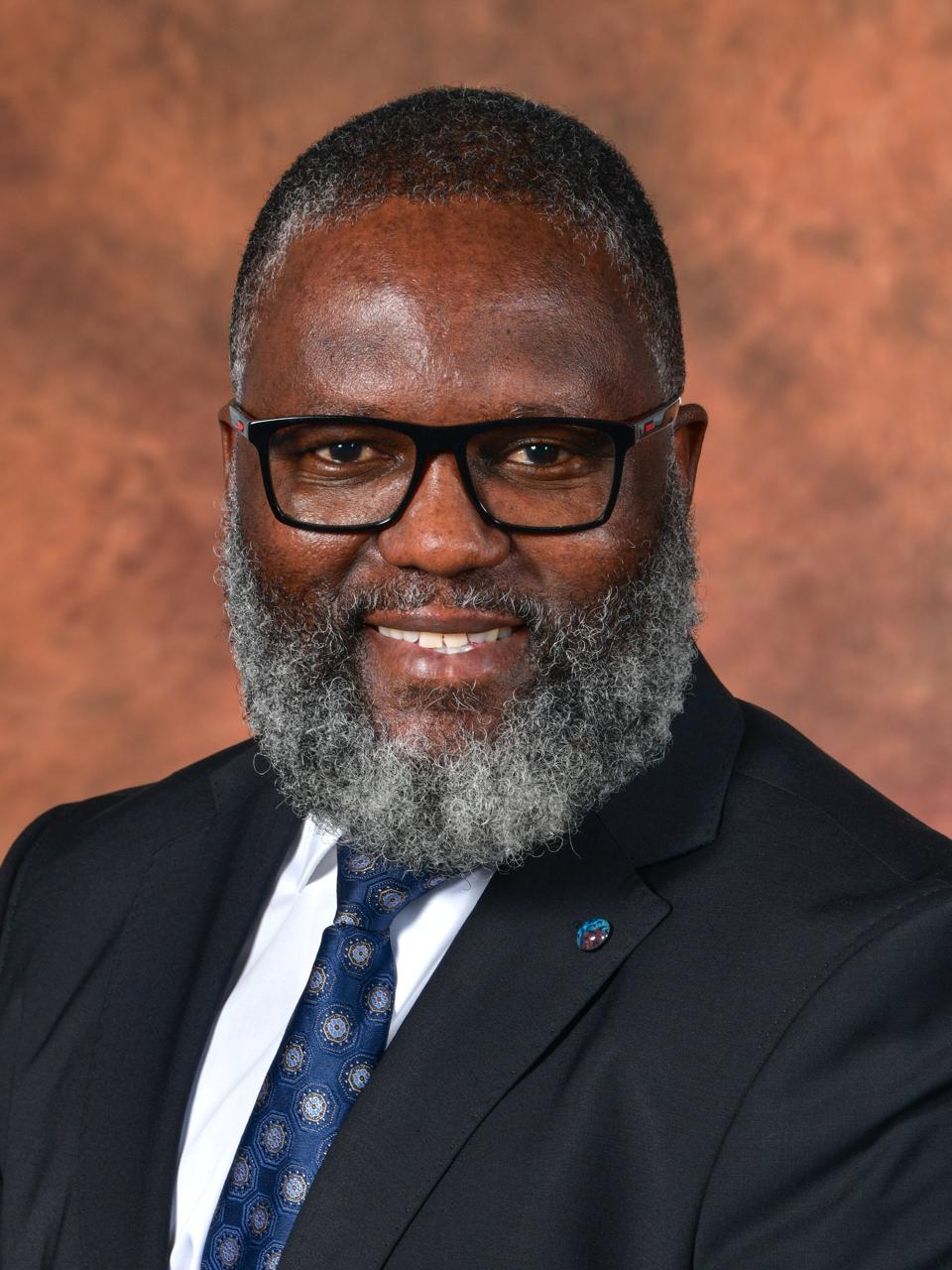
PRETORIA – The Department of Public Service and Administration (DPSA) has reported a significant surge in lifestyle audit compliance, reaching 93% across the public sector. Speaking in a recent interview with Radio 702’s Bongani Bingwa, Minister Inkosi Mzamo Buthelezi noted that this marks a major leap from 2023, when compliance stood at just 61% following the introduction of these mandatory checks.
“Lifestyle audits are designed to identify red flags, not to assume guilt,” the Minister explained during the broadcast, emphasizing that the department is moving from reactive interventions toward “preventative governance.”
Data for the 2024/2025 financial year reveals that 8,982 Senior Management Service (SMS) members underwent audits. Of these, 172 cases were flagged for further investigation, including 97 at the national level and 75 within provincial departments. The Minister highlighted that these figures should be seen in context, stating that “the low number of flagged cases shows that the vast majority of our public servants are honest and dedicated individuals.”
The investigations primarily uncovered conflicts of interest, such as officials being registered on the Central Supplier Database (CSD) or the Companies and Intellectual Property Commission (CIPC). Other triggers included “incomplete information,” where employees failed to disclose assets like vehicles sold long ago. Notably, very few cases involved “unexplained wealth”.
To date, 17% of flagged cases have been finalized. Sanctions have included suspensions without pay and referrals for disciplinary action, with one reported dismissal currently under appeal. Minister Buthelezi reiterated the necessity of these measures, describing corruption as a “threat to economic competitiveness” and a “social destabiliser.”
A historical lack of investigative capacity has been a “major stumbling block” for the DPSA. To address this, the department is establishing a pool of specialized investigators to assist departments nationwide. The DPSA is also looking abroad for best practices, collaborating with the Canadian Government on investigative training models to further professionalize ethics management.
The Minister, who confirmed he is currently undergoing the audit process himself, concluded by stating, “As a leader, you cannot expect others to do what you are not willing to do yourself. This is about a renewed contract of trust between the government and the citizens of South Africa.”