As South Africa prepares to assume the G20 Presidency from December 2024 to November 2025, attention turns to the government’s initiatives at national, continental, and international levels.
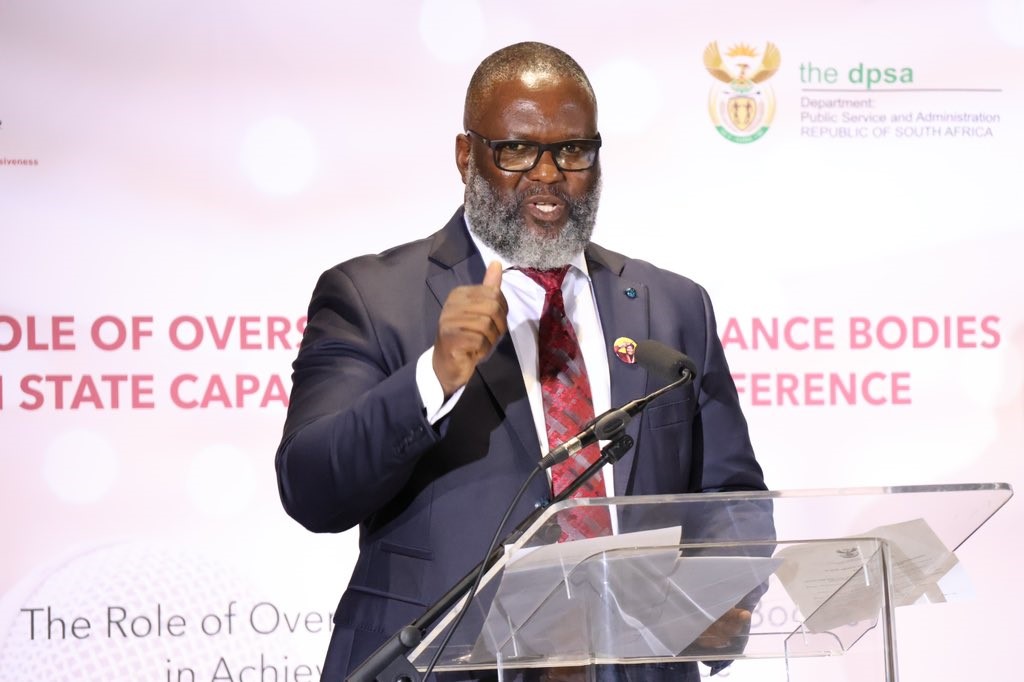
Minister of Public Service and Administration, Inkosi Mzamo Buthelezi, recently participated in the G20 Anti-Corruption Working Group meeting in Brazil. He emphasized South Africa’s commitment to combatting corruption, highlighting that the current administration is dedicated to eliminating corrupt practices.
For the first time, an African country will hold the G20 Presidency, signaling an opportunity to demonstrate that good governance can drive South Africa’s development and reduce corruption.
The G20, originally focused on macroeconomic issues, now addresses trade, sustainable development, health, energy, and the fight against corruption. Minister Buthelezi reiterated that corruption undermines essential services like healthcare and education. He urged G20 nations to enhance integrity and accountability in public institutions and to cooperate internationally in tackling corruption.
The Minister further announced South Africa’s commitment to the 2030 Agenda for Sustainable Development, particularly in reducing illicit financial flows and tackling corruption. Achieving these goals requires strong partnerships between public and private sectors and active societal participation.
Equally, the Deputy Minister, Ms Pinky Kekana, stated that South Africa will prioritize reducing poverty, building a capable state, and fostering inclusive growth during its G20 Presidency. President Ramaphosa has emphasized that Africa’s development will be central to the agenda.
While some may argue that corruption is a recent issue, it has deep roots in the country’s history. The National Anti-Corruption Forum (NACF), revived by the government, business, and civil society, aims to combat all forms of corruption.
With several programs already in place, the South African government is committed to a zero-tolerance approach to corruption, aligning with the National Development Plan’s vision of reduced corruption by 2030.